CPR for Drowning Emergencies
-
1
Ensure the scene is safe
Do not enter water if it puts you in danger. Bring the person to a safe, firm surface.
-
2
Check for responsiveness
Tap and shout: “Are you OK?” If unresponsive, proceed.
-
3
Call 911 immediately
Or direct someone else to call. Early activation is critical.
-
4
Check for breathing
Open airway. Look, listen, feel for max 10 seconds. Gasping is NOT normal breathing.
-
5
Start CPR: Rescue Breaths FIRST
Unlike cardiac arrest, drowning is oxygen deprivation. Give 2 rescue breaths before compressions. Ensure chest rises.
-
6
Begin Chest Compressions
- Push hard & fast in center of chest.
- Depth: 2 inches (5 cm).
- Rate: 100–120 bpm.
- Cycle: 30 compressions → 2 breaths → repeat.
Duration
If you are alone and trained, provide CPR for 2 minutes before leaving to get help.
Continue until they breathe, a professional takes over, or you are exhausted.
AED Usage
Use an AED as soon as available. Turn it on and follow voice prompts.
Vomiting?
Common in drowning. Turn person to side, clear mouth, return to CPR immediately.
Practice the Rhythm
Tap start and push along with the beat: 110 compressions a minute, then 2 breaths.
Ready when you are.
30 compressions, then 2 breaths
General Ocean Safety Tips
-
1. Know conditions before entering:
Check surf, tides, currents, and visibility. Avoid storms.
-
2. Swim near a lifeguard:
Most drownings occur on unguarded beaches.
-
3. Understand Rip Currents:
Look for choppy channels or foam moving seaward. If caught, swim parallel to shore.
-
4. Don't swim alone:
Always use the buddy system.
-
5. Know your limits:
Don't swim out farther than you can comfortably return.
-
6. Enter water slowly:
Avoid cold shock and check for drop-offs.
-
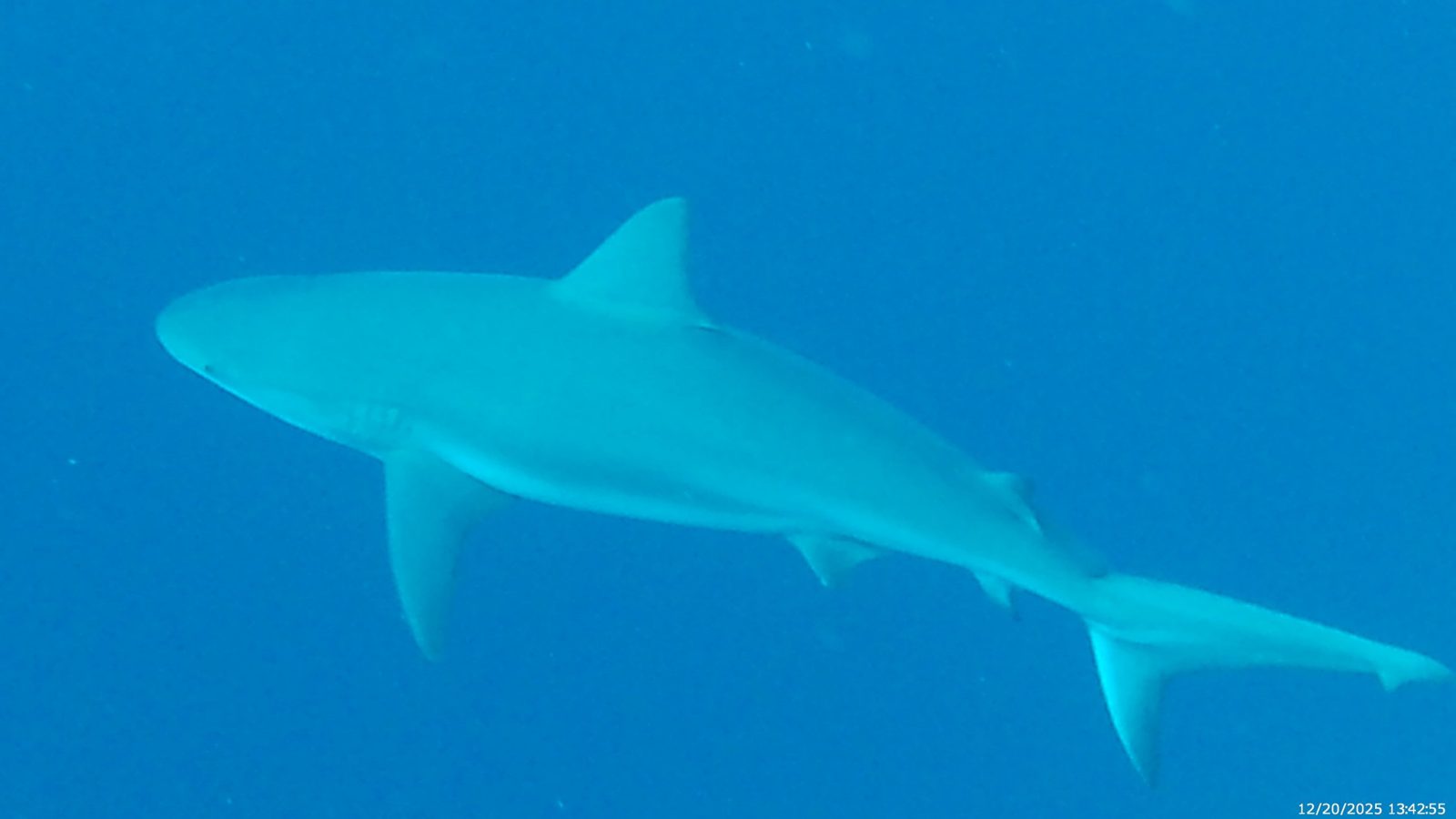
7. Stay aware of marine life:
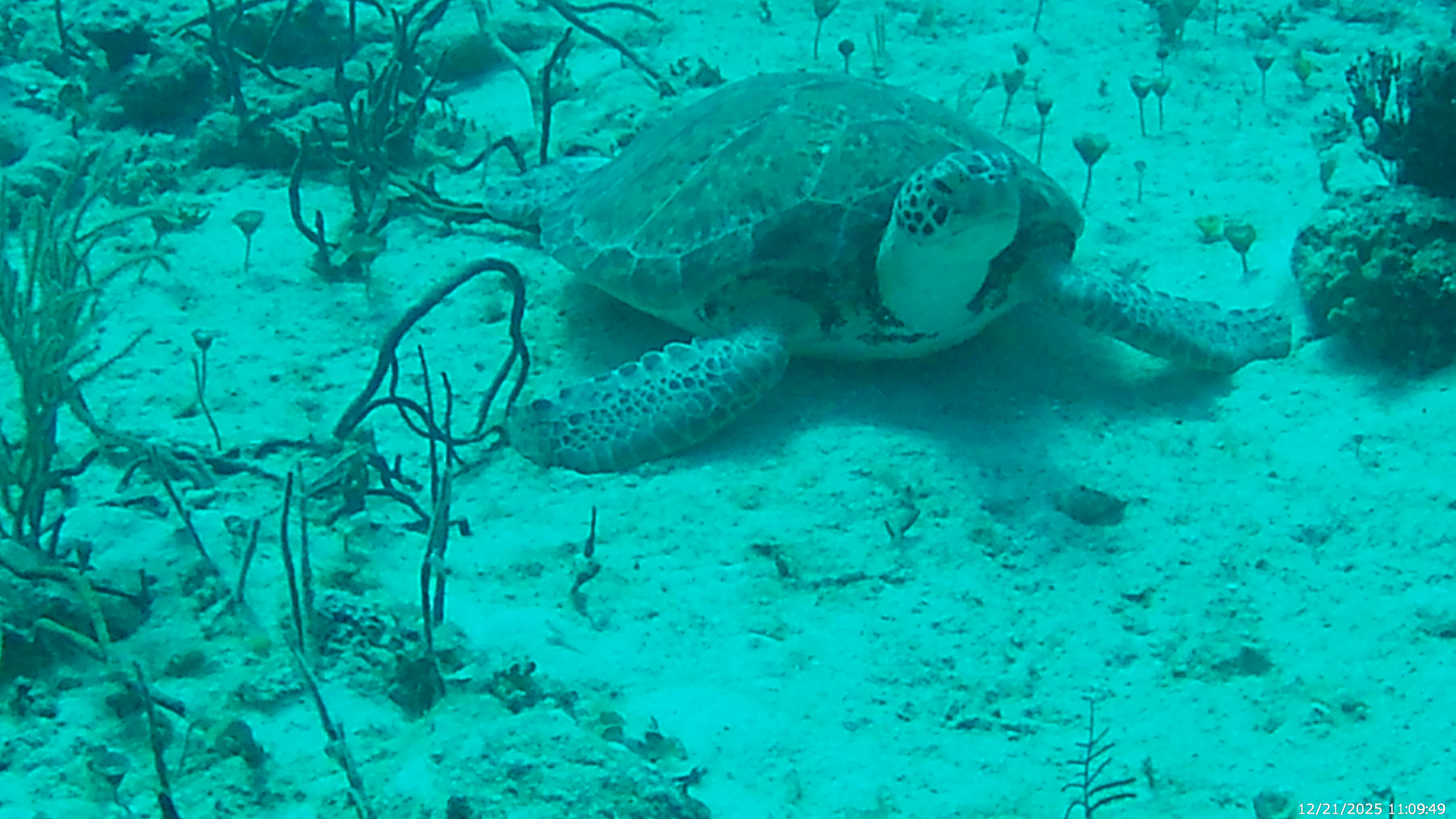
Shuffle feet for stingrays. Don't touch coral.
-
8. Avoid alcohol:
It impairs judgment and reaction time.
-
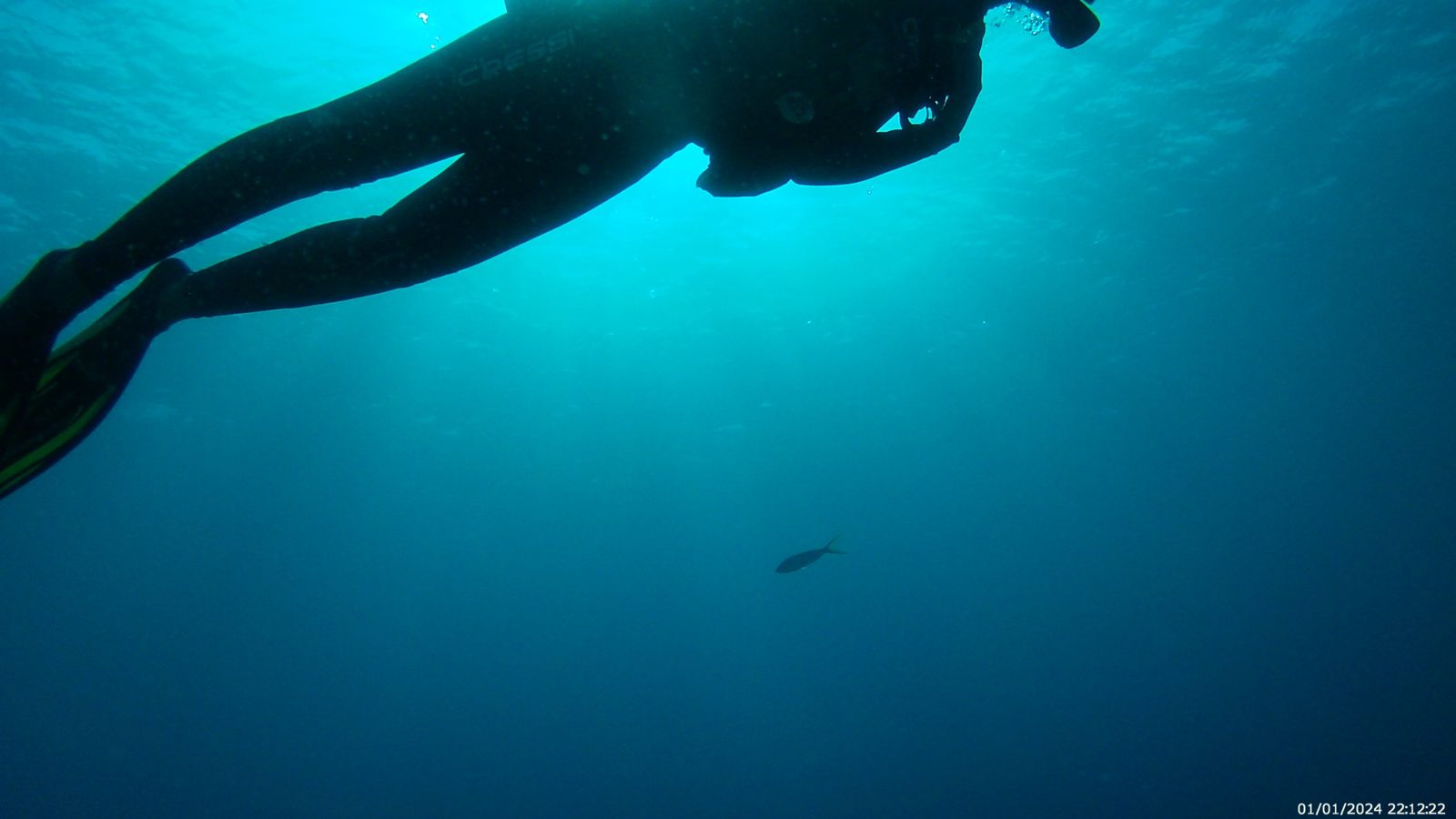
9. Wear appropriate gear:
Fins, wetsuits, and bright colors for visibility.
-
10. Protect against sun:
Hydrate and use sunscreen.
Additional Safety for Blue Holes
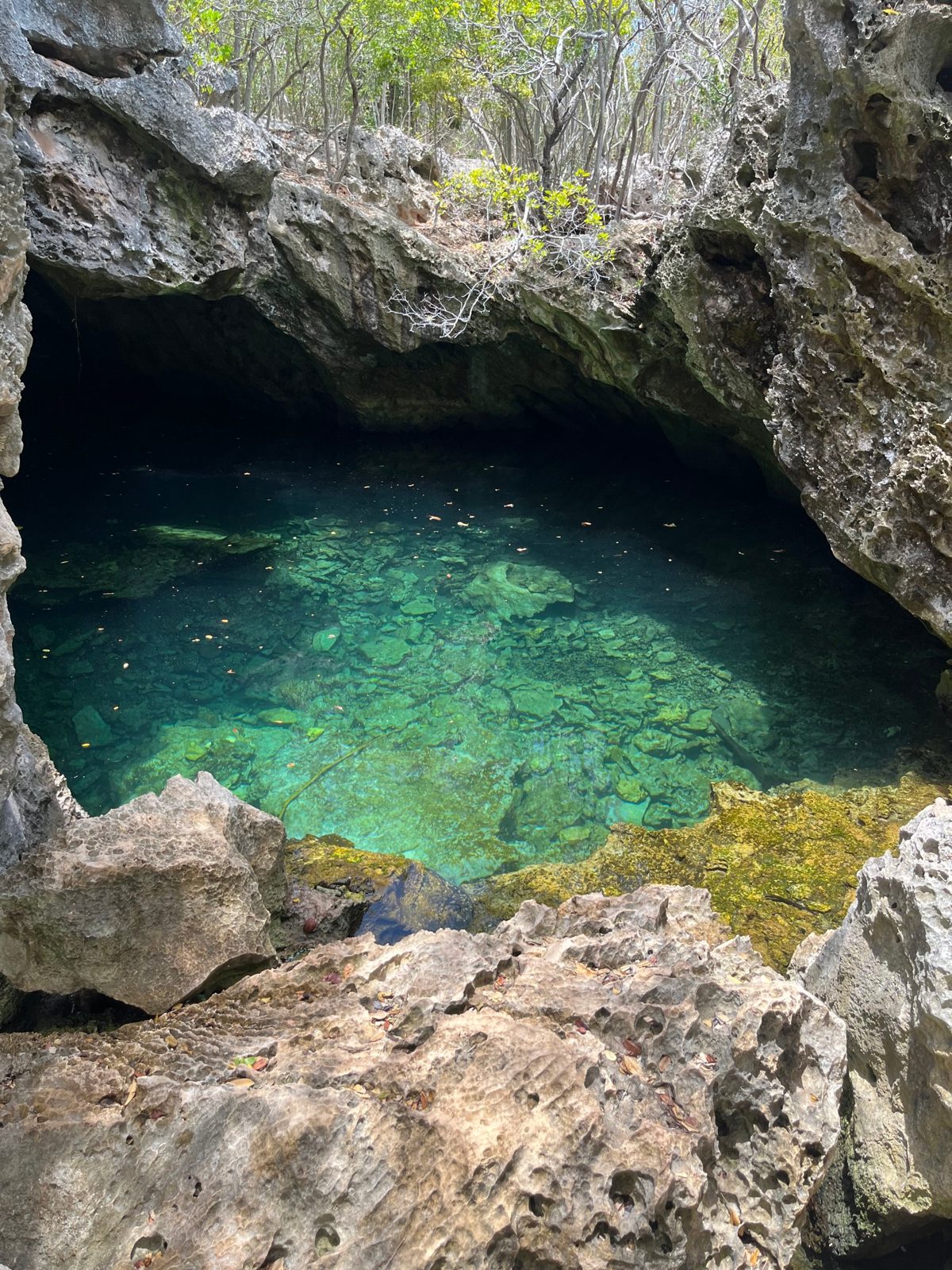
Blue holes have unique hazards: extreme depth, vertical drops, unusual currents, and low visibility.
Diving & Snorkeling Safety
Freediving
- Never freedive alone.
- Rest and breathe normally; do NOT hyperventilate.
- Check conditions.
- Warm up gently.
- Equalize early and often.
- Move slowly to save energy.
- Know limits, turn back early.
- Never ascend too fast.
- Recovery breaths.
- Signal "OK" to buddy.
Snorkeling
- Stay within sight of shore/boat.
- Choose calm areas.
- Use bright colors for visibility.
- Relax breathing.
- Use correctly sized fins.
- Avoid kicking sand/coral.
- Look for boats frequently.
- Do not touch marine life.
- If tired, float on back.
Recreational Scuba
- Check gear carefully.
- Review hand signals with buddy.
- Plan depth, time, route.
- Equalize frequently.
- Maintain buoyancy.
- Monitor air supply and buddy.
- Move calmly to conserve air.
- Hydrate.
- Follow no-fly rules.
.jpeg)
.jpeg)
.jpeg)
.jpeg)
.jpeg)
.jpeg)